Category: Blues (Page 8 of 16)

Jimi Hendrix: Valleys of Neptune


RIYL: Buddy Guy, Stevie Ray Vaughan, Phish

The music gods have once again seen the time fit to bless us Earth-bound humans with some more musical treasure from the late 1960s, this time with 12 previously unreleased studio tracks (mostly from 1969) from the greatest guitarist of all time. They sound more like they were recorded in 2009, which is fitting since Jimi was way, way ahead of his time. Thanks go to Jimi’s timeless skills and mixing by the great Eddie Kramer, who engineered Jimi’s recordings back in the day.

The title track is obviously the centerpiece of the album, and for good reason. If one tried to imagine a lost track from the First Rays of the New Rising Sun sessions, this is exactly what you would hope for. It’s got the funky sound that Jimi was exploring more and more toward the end of his all-too-brief time here on this rock, along with the metaphysical vibe he was increasingly getting into, with lyrics referencing Atlantean love songs and impending Earth changes. It’s classic late-era Jimi – the louder you turn it up, the better it sounds. The song is sandwiched in between a smoking “Stone Free” and a cover of Elmore James’ “Bleeding Heart,” to open the album with three consecutive numbers featuring Billy Cox on bass, while the rest of the album has Noel Redding.

Jimi’s take on “Bleeding Heart” is an up-tempo bluesy rocker that sets the stage for deep blues treasure on “Hear My Train a Comin’.” The latter is well-known by fans of Jimi’s highly influential Band of Gypsys project, with the Live at Fillmore East version being one of Jimi’s greatest performances. But it’s always nice to get another version of a seminal jam, and Jimi is clearly feeling it here. Clocking in at seven and a half minutes, it’s the second longest track on the album (only “Red House” is longer), and it’s a showcase for all of Jimi’s skills with some nice scatting going on behind the first solo, and then some of his best wailing on the second solo.

The album also features two other premiere performances. “Ships Passing Through the Night” presents a mid-tempo tune about lonely ships hooking up and shaking the blues out of one’s hair. “Lullaby for the Summer” features Jimi riffing out all over, with the trio shifting directions toward a more syncopated groove in the middle of the song. This makes Jimi’s hot licks stand out even more, demonstrating superb use of sonic spacing.

“Mr. Bad Luck” is a funky blues workout from 1967, with Jimi clearly having been in a good mood during the recording. “Lover Man” gets a similarly tasty workout, but it’s Cream’s “Sunshine of Your Love” that conjures the big jam. Several live versions have been released before, but this one is a keeper, with a nice breakdown in the middle that builds back up into a big crescendo.

Familiar classics “Fire” and “Red House” get fresh readings and Jimi’s playing is scintillating on each. “Red House” gets the deluxe treatment with an extended jam taking the track past eight minutes as Jimi digs deep into the blues well. The album closes out with “Crying Blue Rain,” a tune that starts as a slow burner but picks up speed until it’s cruising over a galloping bass line. Jimi doesn’t go wild, but his rhythm playing is quite inventive, creating a superb collective groove that shows how to play for the song. He’s still the master.

Lucero: 1372 Overton Park


RIYL: Ryan Bingham, Bruce Springsteen, Soul Asylum

1372 Overton Park is the sixth album from these Memphis blues rockers, but it marks their major label debut. There’s a rootsy blues rock sound at the core, but with a punk influence and soulful horn arrangements from Memphis session player Jim Spake. The band claims no one genre as their own, preferring to mix and match. Guitarist/vocalist Ben Nichols is the star of the show, delivering gritty vocals blending blues with punk and country vibes throughout the album. You rarely hear a punk influence blended with a horn section though, making for a relatively unique vibe.

The tunes are mostly bluesy rockers, accented with those soulful Memphis horns to create a sound that seems like it would go well with adult beverages. “The Devil and Maggie Chascarillo” builds slowly with piano and arpeggiated chords, and some tasty lead guitar that could open up nicely live. “What Are You Willing to Lose” shines with an up-tempo rocker where Nichols truly sounds like a man who is indeed ready to lay it all on the line, as he sings in the song. “Sixes and Sevens” is a high-energy party tune about gambling and carousing, with the horns and lead guitar intertwining nicely, while “Hey Darlin’ Do You Gamble?” brings things down a notch with a heartfelt romantic plea from Nichols to the girl of his affections to gamble on running with him. Overall, the album hits the mark as an homage to the musical heritage of Memphis. (Universal Republic 2009)

Lucero MySpace page

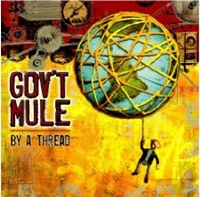
Gov’t Mule: By a Thread


RIYL: Allman Brothers, Robin Trower, Mountain

Gov’t Mule treads that narrow divide that links jam band excess, raucous Southern rock and blustery white boy blues. Founded by guitarist Warren Haynes and the late Allen Woody, both of whom had been drafted to serve with the Allman Brothers during one of the band’s frequent reshufflings, the duo subsequently launched Gov’t Mule as an active side project in the mid ‘90s.

Since then, Gov’t Mule hasn’t digressed all that much from the rambling jams and blustery exhortations that distinguished the music Haynes and Woody created as employees in their day job. In fact, if the band was actually striving to set itself apart, it was never all that evident. For the most part, the group’s recorded catalog has been dominated by concert recordings, which have emphasized their instrumental prowess over more concise songcraft.

To a certain extent then, By a Thread marks something of a turning point in their recording campaign, placing a focus more on the material rather than their usual pyrotechnics. To be sure, there are the usual overwrought growls and howls, as evident in such blazing rampage of “Broke Down on the Brazos,” “Steppin’ Lightly” and “Monday Morning Meltdown,” each a searing onslaught that finds them adhering to more turgid testimonials. On the other hand, “Forevermore” and “Frozen Fear” suggest the band might be willing to treat the material with a hint of subtlety by toning down the more aggressive posturing. Of course, fans need not worry about an abrupt change of course, but it is worth noting that By a Thread might provide something of a kick to Govt Mule’s newer recruits. (Evil Teen 2009)

Gov’t Mule MySpace page

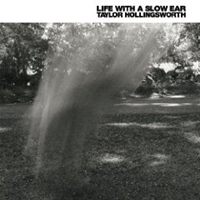
Taylor Hollingsworth: Life with a Slow Ear


RIYL: Steve Earle, Conor Oberst, The Jayhawks

If 2009 were to yield a list of its strangest LPs, I, for one, would nominate the aptly named Life with a Slow Ear for at least an honorable mention. Not that its ragged, homespun ruminations offer anything especially unusual in and of itself; heading up the country and getting back to the roots is a popular path these days, especially for musicians who hunger for a respite from a daily diet of scorching guitars, amplifiers turned up to the max and rhythmic onslaughts that could replicate a small tsunami.

The surprise then isn’t that Taylor Hollingsworth follows suit. A journeyman musician, he spent time in the service of Conor Oberst’s Mystic Valley Band before upping both attitude and amplitude for his initial series of solo outings. However, now that he’s opted to unplug, the thing that separates him from his fellow rustic ramblers is – in a word – his vocals (That’s two words. -Ed.), a high-whining cornhusker of a drawl that suggests a cartoonish attempt at hillbilly authenticity. It undercuts any attempt to take these musings seriously, if for no other reason than it’s such a jolt every time he commands the microphone. While one could concede there’s some synchronicity in his chipmunk chatter and the twangy plunking of “I Didn’t Know It Was the Devil” and “Westfalia,” anytime the mood turns somewhat surreptitious – as in “96 Crayons” and the blustery boogie of “New Orleans Blues” – Hollingsworth actually sounds silly. Attempting to give some weight to “Sin City Blues” – which references both Gram Parsons and Dylan’s “Stuck Inside of Memphis with Those Memphis Blues Again” – Hollingsworth’s voice betrays him, even despite his obvious instrumental dexterity. So while Life with a Slow Ear Is otherwise an admirable effort, it’s a less than critical ear that’s required. (Team Love 2009)

Taylor Hollingsworth MySpace page

Blind Boys of Alabama: Duets


RIYL: Temptations, Mavis Staples, Al Green

Long revered in gospel circles but never more than teetering on the fringes of popular appeal, the Blind Boys of Alabama opt for a strategy not unlike others in the same predicament, namely, to co-opt some popular names and join forces in a series of duets. While such a stance often diminishes the artists in question, here they find some favorable symmetry even though they’re mostly forced to take a supporting role in the proceedings. The mesh is especially ideal when they’re paired with reggae great Toots Hibbert (“Perfect Peace”), Solomon Burke (“None of Us Are Free”) and Ben Harper (“Take My Hand”), each of whom possess the power, conviction and singing style as their musical hosts. Likewise, its no wonder that Lou Reed’s “Jesus” is the most stirring song he’s offered since his days with the Velvets.

Unfortunately, handing the spotlight to guest stars does have its drawbacks; when lumped in the company of other eloquent voices – Susan Tedeschi on the powerful “Magnificent Sanctuary Band,” Bonnie Raitt with the eloquent “When the Spell Is Broken” and Timothy B. Schmidt on the ballad “Secular Praise” – it’s hard not to shake the impression that the Blind Boys are merely along for the ride, relegated to the role of hired hands on their own album. Wisely, the producers confine most of the material to an inspirational context, those soaring gospel harmonies being at their best in the service of faith and belief. Here’s hoping that by linking their fortunes to these marquee names, the Blind Boys of Alabama not only rally their faithful but rouse non-believers as well. (Saguaro Road 2009)

Blind Boys of Alabama website

« Older posts Newer posts »