Tag: Headlines (Page 38 of 76)

Luce: The Year We’ll Have


RIYL: Jack Johnson, Jason Mraz, Ben Kweller
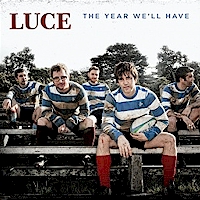
Not everyone quite gets the laid-back shuffle of acoustic-geetar-totin’ beach poets like Jack Johnson or zippity-bippity wordplay specialists like Jason Mraz, but that doesn’t stop them from selling tons of records and playing sold-out venues, does it? Tom Luce and his decade-old San Francisco-based band fit in that mold, and certainly could, with a bit of luck, take their mid- and up-tempo numbers to the masses, churning out the feel-good platters for the our beloved generation of peace-lovin’, hemp-wearin’, endless summer-celebratin’ kiddies to shake their tushies to year-round.

It’d be a shame, though, if his band’s exercises in featherweight groovin’ wound up overshadowing its true strengths. As we hear in this odds-and-sods acoustic EP, Luce (the band) can certainly build a solid backdrop for the wry observations and lovelorn sentiments in its songs. Folks outside the Bay Area might remember the band for the minor hit “Good Day,” which gets a cool walk-through here (though I miss the horns that punctuated the original). “Won’t Change a Thing” and the title track likewise get mid-tempo workouts, but it’s difficult to put a finger on what makes the performances sound so perfunctory.

That difficulty ends when one cues up the ballads on the EP, and a fuller, better-rounded Luce merges. Take the piano ballad-style reworking of the band’s 2002 track “Corner of the World.” On the original, Luce’s moving observations of life passing by get lost in a heavy-handed rock arrangement; left with just Tom Luce’s voice and bare but sympathetic accompaniment, the power of the lyrics comes to the fore. Same goes for “Willing to Try,” in which the band slowly builds behind a foundation of bare acoustic guitar, all serving the exquisite melody and words. The harmonies that lift “After Tomorrow” highlight the hopefulness of the lyric, and the slide guitar that fades in the outro is a perfect farewell.

The ballads on The Year We’ll Have make it worth owning (check out the Amazon link below or take the band up on its “pay what you want” offer, on its Web site). If Luce can play off the strengths they display there, they could be a household name one of these days. (Luce 2010)

Luce’s Myspace Page
Click here to buy The Year We’ll Have from Amazon.
The Like: Release Me


RIYL: Matthew Sweet, The Bangles, 60’s Mod rock

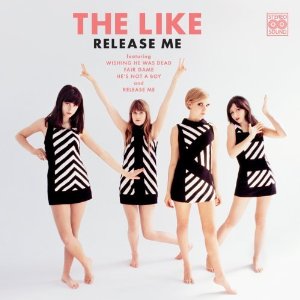
The Like return for their sophomore effort, Release Me, a 13-song set clocking in at just under 40 minutes. This collection of ’60s inspired pop rock gems will rock your socks off and keep you dancing for the duration of the record. Release Me has enough cool to satisfy retro-alternative hipsters and turn the heads of aging mods looking for some kickin’ new tunes to play at their next Vespa rally.

Founding members Z Berg (vocals/guitars) and Tennessee Thomas (drums) parted ways with Charlotte Froom (bass/vocals) and entered the recording studio with famed producer Mark Ronson, the man responsible for Amy Winehouse’s spectacular soul album, Back to Black. The English producer certainly has a knack for recreating the sounds of a different era, but Release Me would be pure novelty if it weren’t full of strong, catchy power pop that sticks to you like the sweetest tasting bubble gum. Mind you, this gum has a little bite.

While the music is sunny and very danceable, once you get past that bright veneer, you’ll find that Release Me is an album full of women scorned, breakups and broken hearts.   Even if you’re not in the mood for some Alanis angst, you can look past the lyrics and just rock out. “He’s Not A Boy” (the first single) and “I Can See It” are so damn good, they deserve radio play all summer long, and then some; while “Catch Me If You Can,” “In the End” and “Release Me” will make sure no fan is sitting down during the band’s upcoming concerts.

By the end of the album, the organ begins to wear thin, but as soon as you start thinking you may want to break that keyboard player’s fingers, the album is over. It won’t be long until you’ve scrolled back to the beginning and started the whole thing over again.

If you’ve ever wondered what the Kinks, Zombies or Who would have sounded like had they been an all-girl group who played their own instruments and sang in perfect harmony, the Like may be your answer. Here’s hoping that they continue to grow as artists like their obvious influences. (Polydor/Downtown Records, 2010)

The Like MySpace page
Click here to purchase Release Me from Amazon

Sarah McLachlan: Laws of Illusion


RIYL: Annie Lennox, Enya, Jewel

Sarah McLachlan’s brand of pillowy, doe-eyed balladry has always been easily parodied, but beneath all the glossy instrumentation and tastefully aching vocals, her music has always had a dark depth that belied its adult contemporary trappings – and offered proof that it’s possible to create placidly pretty music with real emotional undertow.

Sarah McLachlan

Alas, this is something McLachlan seems to have forgotten during the seven years since she released her last album of original material. Right from the album cover, which finds her lounging beautifully on the moon, Laws of Illusion has the disconnected, gauzy air of a fantasy; the track listing floats woozily from one vaguely moody, mid-tempo number to the next. It’s like a Thomas Kinkade painting set to music – which is pretty ironic, considering Illusion is more or less a song cycle about the collapse of McLachlan’s marriage. You’d think this would raise the stakes for her usual themes – love, obsession, heartbreak – but instead, these songs feel curiously flat, with melodies that have the plastic echo of McLachlan’s past work and some of the most enervating arrangements of her career. Even the song titles are tired: “U Want Me 2”? Where’s a Prince lawsuit when you need one? Any random Peter Cetera album has more heft.

None of which probably matters to most Sarah McLachlan fans. Her earlier work’s resonance earned her critical respect, but it’s got little to do with the millions of records she’s sold; to a lot of people, a Sarah McLachlan album’s true value lies in its smooth surface appeal, and Laws of Illusion is nothing if not smooth. If none of it is particularly memorable, well, McLachlan’s voice is as lovely as ever, and these songs will still sound great with your next candlelit bubble bath. Proceed accordingly. (Arista 2010)

Sarah McLachlan MySpace page

Seen Your Video: The Coral, “1000 Years”

I will be the first to admit that I don’t hear every album released each year because, frankly, it’s impossible. Over 30,000 albums are put out each year. Can’t hear ’em all, and goodness knows I try.

Having said that, I at least hear about albums coming out, even if I don’t hear them. But when I saw a recent press release talking about the upcoming Butterfly House being the Coral’s sixth album, I uttered the words that piss me off when I hear them from other people: “They’re still together?” The funny thing is, I had just been thinking of the band – loved their song “Dreaming of You,” from their 2002 debut – and wondered what had happened to them. After their 2003 sophomore effort Magic and Medicine, I literally had not heard a word of their existence until the other day. You’d think I would have accidentally heard something, but no.

And if the song “1000 Years” is any indication, I’m thinking I missed a few damn good records. James Skelly’s vocals are less Eric Burdon bluesy growl than ’90s Madchester shoegazer whisper, but the song is an absolute psych-pop gem, and the video is appropriately loaded with liquid camera shots and crude good/evil symbolism (man with wolf’s head, horses, water, an ankh). Butterfly House is currently scheduled to be import-only. Here’s hoping they change their minds.

The Chemical Brothers: Further


RIYL: Fatboy Slim, 808 State, Crystal Method

After briefly flirting with the mainstream in 2005 thanks to their Indian-riffing rump shaker “Galvanize,” one would forgive the Chemical Brothers if they liked the look of the spotlight and decided to spend some more time there. It’s to their immense credit, then, that their post-“Galvanize” efforts have been the most noncommercial work of their career, and their latest album, Further, is the most insular album they’ve made to date, not to mention their most fitting album title.

Chemical_Brothers_04

If they recorded for anyone other than Astralwerks, one of the last artist-friendly labels left standing, the A&R man would surely be telling them “I don’t hear a single,” because Further, well, doesn’t have one. In fact, the album has a lot of “silhouette” tracks, a trick that electronic acts use where they start with an existing song and keep adding bits to it while slowly removing everything from the original track until they have something brand new. The 12-minute “Escape Velocity” is a direct descendant of “It Began in Afrika” and “The Sunshine Underground” (but not as catchy as either), while “Another World” is a slower version of “Star Guitar” and “Horse Power” sounds as if it were built from the bones of “Break Shake Bounce” and “Hey Boy Hey Girl.” The closest the album comes to a pop song is the blissed-out psychedelia of “Dissolve.” Not coincidentally, this is also the album’s finest moment.

Further is both admirable and damned frustrating. Rowlands and Simons only make music for themselves, and that is how it should be (they refrained from using guest performers this time around, which is a nice change of pace), but we’re beginning to see the limits of their range as songwriters. They’re also trying just a bit too hard to avoid anything that could be classified as Big Beat, even though those records were some of the best things they’ve ever done. It’s good to be true to yourself, but there are times when it’s not such a bad thing to give the people what they want. (Astralwerks 2010)

Chemical Brothers MySpace page
Click to buy Further from Amazon

« Older posts Newer posts »