
RIYL: Stephen Bruton, Ryan Bingham, T Bone Burnett
 At the turn of the century – just about the time the record industry was experiencing its Wile E. Coyote moment before plunging into its recent sales abyss – Jeff Bridges decided to start a label, Ramp Records, and release a Michael McDonald album alongside Bridges’ own solo debut, Be Here Now. Neither release received much attention at the time, but as vanity-plate recording projects from actors tend to go, Bridges’ wasn’t bad; he had a rumpled, Dude-like charm as a vocalist, and although his songwriting tended toward the ponderous (“Buddha & Christ at Large,” anyone?), the songs communicated the same calculatedly offhand attention to craft as his acting. Point is, Bridges’ critically acclaimed turn as the booze-soaked songwriter at the center of “Crazy Heart” isn’t wholly revelatory – and Be Here Now might have stood a better chance at being a hit if he’d surrounded his songs with stellar, downbeat performances from artists like Buck Owens, Sam Phillips, and the Louvett Brothers.
And okay, so Bridges didn’t have much of a hand in writing “Crazy Heart’s” original songs, but he does steal the spotlight on the soundtrack – no mean feat when you’re sharing the stage with the aforementioned artists, as well as young Americana lion Ryan Bingham, who’s already won a Golden Globe for one of his contributions, “The Weary Kind.” There really aren’t any bad songs here, but it’s Bridges’ performances that’ll draw you in the most – when he sings “funny how fallin’ feels like flyin’ for a little while,” sounding for all the world like a more tuneful John Hiatt, you’ll flash back to every heartbreak you’ve ever suffered and every shitty bar you’ve ever been sorry you sat down in. If you’ve seen the movie, you’ll want to own this, without question – but even if you haven’t, it’s the best cross-industry soundtrack we’ve seen since John Mellencamp starred in Falling from Grace in 1992. Pour yourself a strong one, sprinkle some sawdust on the floor, and get carried away. (New West 2010)
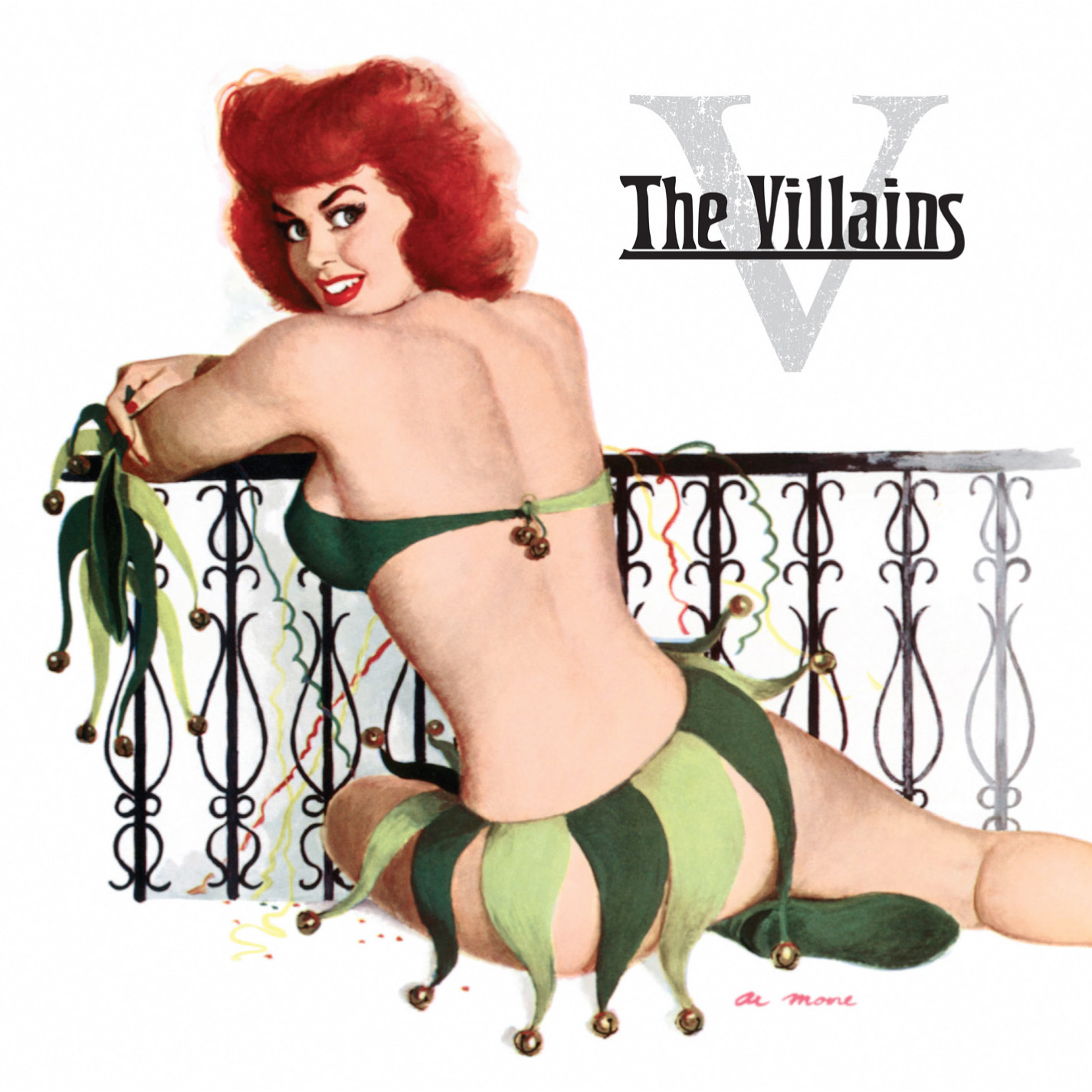

 Don’t let their name fool you – pinup on the album cover notwithstanding, there’s very little that’s even slightly villainous about this six-piece Atlanta outfit. Not that that’s a bad thing, mind you, especially for fans of the country-tinged Laurel Canyon rock of the ‘60s and ‘70s; in fact, at times, this eight-song self-titled effort suggests what might have happened if strands of DNA from members of Poco and the Eagles were stolen by a mad scientist 30 years ago and used to create a new band. The Villains’ strongest material boasts all the tight harmonies, spotless guitars, and sunny hooks you could hope for, and the album’s weak spots – like the shudder-inducing, Jimmy Buffett-esque “Where We Began” – are pleasantly few and far between. In a perfect world, an album with only eight tracks would kick ass top to bottom, but for Eagles fans weary of 25-year waits between albums – or country fans stuck between Willie Nelson and Rascal Flatts – The Villains will hit the spot quite nicely. Crank up “Let’s Forget About It Tonight,” pour yourself a cold beer, and be glad rock & roll is still alive. (DCM Records 2010)


