
RIYL: Rob Zombie, White Zombie…other zombie related culture
 Rob Zombie’s 2006 album Educated Horses was a shocking departure for the shock rocker where he dropped the industrial dance beats and heavy production in lieu of classic rock riffs and heavy metal grooves. It was mature, experimental and a brave move for the man who hadn’t really advanced his musical style since 1992.
Hellbilly Deluxe 2 is not a brave move. Coming 12 years after the original Hellbilly Deluxe, this album finds Rob Zombie forcefully stripping away every development and evolution in his sound to deliver an album that is intentionally uninspired and derivative, but is that a bad thing? Because even though Educated Horses was a bold move for Zombie and it showed he could do more than he did in the past; the brand of rock he first showed us with “Thunder Kiss ’65” is still the what he does best. And while nothing here is original, it’s still a hell of a lot of fun. The industrial beats and distorted guitars that worked in 1998 on tracks like “Dragula” and “Superbeast” still work fine on “Dream Factory” and “Werewolf Women of the SS” (the latter of which named after Zombie’s mock trailer for “Grindhouse”). About the only thing that doesn’t work on this belated sequel is the closing “The Man Who Laughs,” which is a bloated overblown production complete with string arrangements by film composer Tyler Bates and a (very) extended drum solo. Prog rock excess does not belong on a Rob Zombie record.
There are artists who change and evolve their sound over time (REM, U2), and there are artists who discover that they are only really good at one thing early in their career and they stick to it, prevailing cultural winds be damned (Motorhead, AC/DC). It’s becoming apparent that Zombie is more than happy to be in the latter group, and Rob Zombie sounding like Rob Zombie for 20 more years is preferable to someone else trying to instead. (Road Runner 2010)

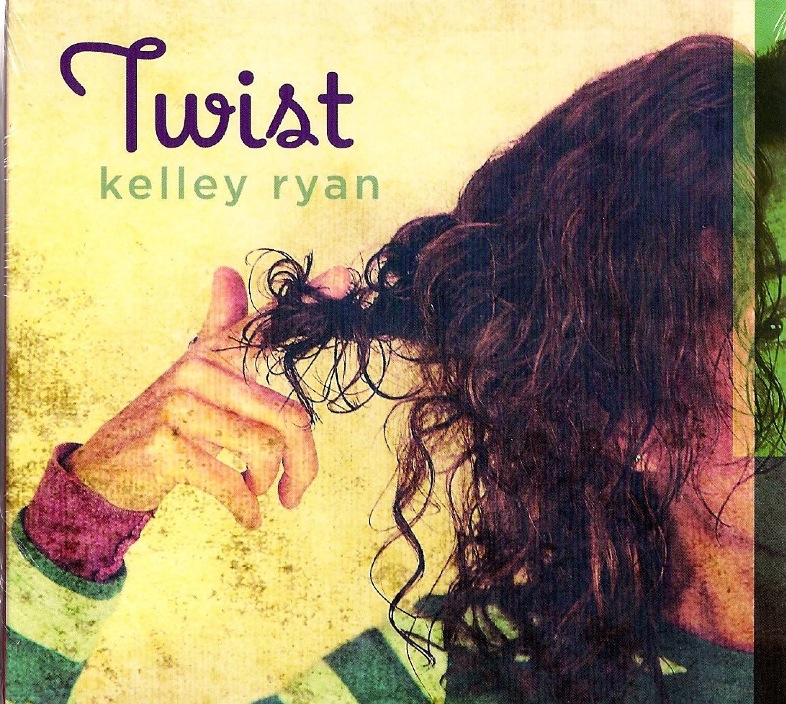

 As slight and pretty as a sundress on the first day of June, Kelley Ryan’s Twist finds the astroPuppees frontwoman making a deliberate shift away from what she calls “the rock boy way” of doing things, and toward a gentler sound, driven largely by acoustic guitars and layers of lush harmonies. Ryan’s in good company here, too: She recorded Twist with Don Dixon and Marti Jones, drafted Van Dyke Parks to lend string arrangements to a pair of tracks, and dug into the Beck songbook for a cover of “Lost Cause.” All solid marks in Twist’s favor, to be certain, and when the album lives up to its pedigree – as on the shimmering, gently descending opening track, “About a Girl” – it feels like a long-lost artifact from the golden mid ‘80s era of jingle-jangly singer-songwriter pop. Too often, though, Ryan uses her stylistic shift as a license to hide behind arrangements that don’t do much besides lie there and look pretty, or rhyme “love” with “above.” The end result is an album that might leave you feeling like you’ve just woken up from a pleasant dream – it’s soft, and warm, and no more than five minutes after it’s over, you won’t remember a thing. It’ll add an interesting wrinkle for astroPuppees fans, but there’s no shortage of similar-sounding records, and for anyone who isn’t already familiar with Ryan’s work, this really isn’t enough of a Twist. (Manatee Records 2010)


