Tag: Headlines (Page 63 of 76)

The Villains: The Villains


RIYL: The Eagles, Poco, One Flew South

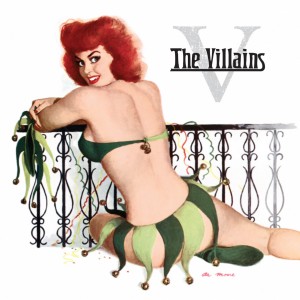
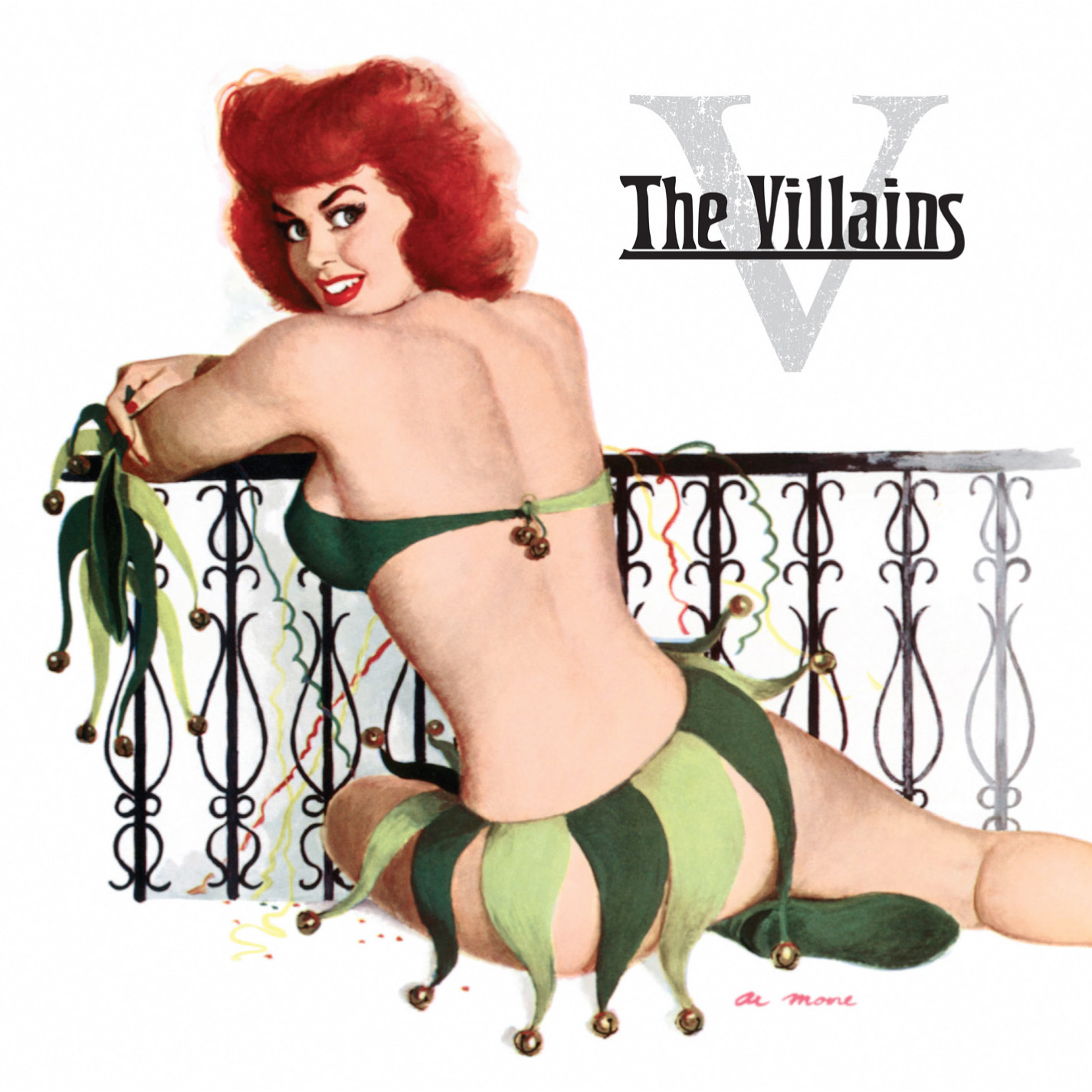
Don’t let their name fool you – pinup on the album cover notwithstanding, there’s very little that’s even slightly villainous about this six-piece Atlanta outfit. Not that that’s a bad thing, mind you, especially for fans of the country-tinged Laurel Canyon rock of the ‘60s and ‘70s; in fact, at times, this eight-song self-titled effort suggests what might have happened if strands of DNA from members of Poco and the Eagles were stolen by a mad scientist 30 years ago and used to create a new band. The Villains’ strongest material boasts all the tight harmonies, spotless guitars, and sunny hooks you could hope for, and the album’s weak spots – like the shudder-inducing, Jimmy Buffett-esque “Where We Began” – are pleasantly few and far between. In a perfect world, an album with only eight tracks would kick ass top to bottom, but for Eagles fans weary of 25-year waits between albums – or country fans stuck between Willie Nelson and Rascal Flatts – The Villains will hit the spot quite nicely. Crank up “Let’s Forget About It Tonight,” pour yourself a cold beer, and be glad rock & roll is still alive. (DCM Records 2010)

The Villains MySpace page

David Bowie: A Reality Tour


RIYL: Mott the Hoople, Queen, Iggy Pop

David Bowie’s 2003-04 “A Reality” tour wasn’t billed as his last, but until he decides to jump back onto the stage for another go-round, that’s exactly what it is. And while the double CD A Reality Tour serves as a five-years-late memento of that occasion (and companion piece to the 2004 DVD of the same name), it still comes off as fresh and exhilarating as the concerts themselves felt five years ago. A big reason for this is Bowie’s achieving the sweet feat of placing copious material from his last two studio albums – 2002’s Heathen and 2003’s Reality – among his ’70s, ’80s and ’90s classics in the best possible light. That is, “Afraid” and “New Killer Star” sound quite at home among older gems like “Breaking Glass” and “Ashes to Ashes.” And while such a large amount of new material (ten songs out of 33) inevitably leaves no room for big hits like “Young Americans” or “Space Oddity” (I also clearly remember Bowie playing “Blue Jean,” also left off this set, at the show I attended in 2004), the strength of all the material here – which also includes his takes on tunes he gave to Mott the Hoople (“All The Young Dudes”) and Iggy Pop (“Sister Midnight”) – is enough so that the stray hits aren’t really missed at all.

One could call this a “career overview,” as the album’s accompanying press release would have us believe, but in practice, A Reality Tour feels more like a continuation of Bowie’s career arc, one that he has left open-ended despite its skewing towards the sound he created on his last two albums and his late ’70s collaborations with Brian Eno. Even if he decides not to return to the world stage, however, he has surely left his legacy in fine shape. (ISO/Columbia/Legacy 2010)

David Bowie MySpace page

The Heavy: The House That Dirt Built


RIYL: The White Stripes, James Brown, The Rolling Stones

When the Heavy broke with their debut, it truly was Great Vengeance and Furious Fire from every speaker. Listening to that album was like getting kidney punched by the raunchy, drug dusted love child of Curtis Mayfield and the Gallagher brothers. “That Kind of Man” and “Girl” were sheer aural addiction, funky and fun and groovy as hell. It was a smashing debut, chock full of powerful singles…and seemingly no one noticed it at all. The US release in 2008 made no discernible impact, and that is a crying shame.

The_Heavy_04

Now the Heavy are back with The House That Dirt Built, turning up the volume and the heat by taking their ‘60s and ’70s influence and punching it up with everything from jacked up Bo Diddley beats to Roland Gift-like vocals wrapped in roughly layered, minimalist production. “How You Like Me Now” is full tilt James Brown-esque bravado that shifts into a Mick Jagger-like pleading bridge before ending with a seriously hard-hitting, percussion-driven finale. They also continue to use digital samples to set mood and theme in a way reminiscent of Big Audio Dynamite’s first records. “Short Change Hero” is their Sergio Leone ode while at the same time begs for a Grace Slick vocal.

The most amazing part of this record is the fact that every song makes you sit up and take notice, every track distinct, but the album has an overarching consistency that pulls it all together with consistently dark and driving bass lines, fearless guitars and select horn lines. Throughout, Kelvin Swaby’s vocals chant, scream, croon, plead, growl and demand, always playful and soulfully sexy by turns. The Heavy know how to construct a song to be a hit, short and to the point, catchy without being predictable. This shows up in their hard rocking “What You Want Me To Do?” Two minutes and 38 seconds of grinding desperation and desire. Few bands can take such clear and well known influences and make it sound fresh and new, but The Heavy excel at it. Check this album out. Play it loud, and as David Letterman demanded, play it again! (Counter Records 2009)

The Heavy MySpace page

Corinne Bailey Rae: The Sea


RIYL: India.Arie, Des’ree, Roberta Flack

Corinne Bailey Rae’s self-titled debut was a Starbucks hit, selling nearly two million copies on the strength of the immediate chord it struck with fans of vaguely jazzy, vaguely folky pop singers like Norah Jones. It also took its share of lumps for being yet another in the chain of politely soulful albums that have flooded the marketplace over the last five years or so; though it showed flashes of real talent, VH1-ready singles like “Put Your Records On” put Rae across as pleasant at best.

Well, whatever else you might be able to say about it, Rae’s sophomore effort, The Sea, isn’t pleasant – like the body of water it’s named after, this is a collection of songs that might sometimes seem placid on the surface, but which boast unfathomable, often stormy depths. It’s an album steeped in grief, shadowed by death, and wrapped in yards of delicate, folk-and-jazz-tinged arrangements. Even on the album’s more up-tempo tracks, such as “Paper Dolls,” there’s an overwhelming sense of something – probably Rae – about to break. Even if you just play The Sea in the background, you’ll catch hints of its disquieting vibe.

Corinne_Bailey_Rae_01

All for good reason, of course – as you may recall, Rae’s husband died unexpectedly in 2008, and many of these songs find her coping – seemingly quite directly – with her loss. It’s always a mistake to treat albums like these as the artists’ personal diaries, but when the first track is titled “Are You Here” and features lines like “Are you here? Because my heart recalls that it all feels the same”…well, you get the idea.

So yes, The Sea is a rather dark and stormy record, but it’s never maudlin; partly on account of Rae’s vocals, which are lighter than air at their heaviest, the music’s grief never threatens to overwhelm the songs. That being said, a little overwhelming might not be such a bad thing – Rae’s aesthetic is one of slight shifts and slighter melodies, and if you’ve previously dismissed her work, it’s hard to hear much here that’ll change your mind. Perhaps more importantly, if you loved Corinne Bailey Rae, this album’s darker tone might be off-putting. Rae deserves applause for pouring so much of herself into these songs; still, even after you’ve plumbed its depths, it’s hard not to wish The Sea’s surfaces weren’t so calm. (Capitol Records 2010)

Corinne Bailey Rae MySpace page
Findlay Brown: Love Will Find You


RIYL: David Mead, Roy Orbison, Paul Carrack

With his debut, 2007’s Separated by the Sea, U.K. singer/songwriter Findlay Brown penned a love letter to ‘70s MOR pop with a modern sheen, delighting fans of artists like Ron Sexsmith and Josh Rouse. Those fans might be a little perplexed by Brown’s sophomore effort: Recorded after an auto accident left him with nothing to do but spin old records while recuperating from his injuries, Love Will Find You is a conscious step back – back about a decade, to be specific, toward the Sun Records school of reverb-laden lonely hearts fronting angelic choirs with lead vocals to match. To modern ears, Brown will come across here like a sock hop-headlining version of David Mead; older listeners, meanwhile, will hear more than a hint of Roy Orbison in Love’s tremulous refrains. And as far as pastiches go, this is pretty smart stuff – thanks in part to producer Bernard Butler’s way with a tinny AM string section and perfectly cavernous reverb, Brown comes across as legitimately steeped in the music of the era, rather than just another cheeky coattail-rider. Nonetheless, it’s still a pastiche, and no matter how smoothly Brown and Butler have honed it, Love floats away like the scent of your grandfather’s Old Spice once it’s done. At best, it’ll make you want to get a hold of a list of the albums that inspired Brown; at worst, it’ll keep you suspiciously tugging at its seams, looking for the real Findlay Brown behind the pompadoured façade. It’s to Brown’s credit that Love Will Find You never unravels, but it’s hard not to wish he’d brought a little more inspiration along with his sterling sense of songcraft. (Verve Forecast 2010)

Findlay Brown MySpace page

« Older posts Newer posts »