Author: Jeff Giles (Page 4 of 41)

Maroon 5: Hands All Over


RIYL: Stevie Wonder, Jamiroquai, Train

Maroon-5-Hands-All-Over-album-cover-art[1] Just when you thought there wasn’t an errant molecule left to be polished off Maroon 5’s squeaky-clean pop-funk sound, along comes legendary producer Robert John “Mutt” Lange to add his layers of platinum gloss. Lange’s antiseptic stacks o’ tracks approach helped Def Leppard own the late ’80s (and made it acceptable for a snare drum to sound like a wet sack of potatoes being hit with a two-by-four in reverse), so when word got out that he was producing Hands All Over, eyebrows were raised in anticipation. What do you get when you cross Maroon 5 with the guy who produced world-beating hits for AC/DC, Bryan Adams, Shania Twain, and Nickelback?

The answer, as it turns out, isn’t appreciably different from previous Maroon 5 records – not in terms of sound, anyway. Hands All Over is a little more arid than the band’s earlier material, and the nipping and tucking applied to lead singer Adam Levine’s voice is more obvious than usual, but they’ve never been anyone’s idea of a gritty band; Lange’s production style is unmistakably slick, but he’s also smart enough to know there are only so many layers of gloss you can add before the underlying material disappears.

And it’s on that underlying material that Lange seems to have had the biggest influence. Though the band’s songwriting has never really been an issue, Hands All Over presents Maroon 5 at their most radio-ready; even the filler tracks, of which there are a few, sound as sleek and lean as obvious singles fodder like “Misery” and “Never Gonna Leave This Bed.” Much as he’s been guilty of fattening up the sounds of the bands he’s worked with, Lange is a remarkably savvy songwriter with a sharp ear for a song’s inessential bits, and it sounds like he took a judicious scalpel to each of Hands All Over‘s dozen cuts. The end result is as slick as it is hummable.

Of course, it’s also sheer product, but unapologetically so, and at least the product in question is one worth selling. If you’re the type of listener who looks for raw power in your music, Hands All Over is absolutely not for you, but if you’re just looking for a fresh batch of safe, hip-shaking pop to get you through your day – or if you have any kind of appreciation for that elusive sweet spot where airtight pop songcraft and unabashed commerce meet – this is one guilty pleasure you may not need to feel guilty about. (A&M/Octone 2010)

Maroon 5 MySpace page

Robert Plant: Band of Joy


RIYL: Buddy Miller, Bob Dylan, Daniel Lanois

Robert-Plant-Band-of-Joy-artwork[1]Like a handful of his graying peers – Van Morrison and Neil Young come to mind – Robert Plant has made a career out of defying and confounding his fans’ expectations. What makes Plant unique among rock’s elder contrarians, though, is quality control; he may not give his fans what they say they want, but it’s rare that he delivers an album that’s impossible to love.

Band of Joy is a case in point. In terms of tone and vibe, it picks up more or less where his Grammy-winning collaboration with Alison Krauss, Raising Sand, left off: an album of rootsy, Nashville-recorded covers, rich in beautifully subdued atmosphere. But Plant remains too restless to settle for a straight sequel; he abandoned the follow-up sessions with Krauss and Sand producer T Bone Burnett, opting instead to team up with producer/guitarist Buddy Miller for a set whose title serves as a playful reminder of his pre-Zeppelin band.

What listeners are left with is an album that lacks Sand‘s stately grace, but has a pungent, bluesy heft all its own. Plant’s choice of material is as impeccable as ever – standouts include a mandolin-laced version of Los Lobos’ “Angel Dance” and a mournfully loping take on Townes Van Zandt’s “Harm’s Swift Way” – and Miller proves a splendid foil, adding dark, roiling swaths of guitar that hover over crisply recorded arrangements. And then, of course, there are the vocals: Plant remains in fine form, and if you’re disappointed by his continued disinterest in unleashing his old hammer-of-the-gods howl, you can take comfort in the presence of Patty Griffin, who lends a layer of burnished harmony to seven of the album’s 12 tracks.

So it isn’t a Zep reunion, and it isn’t Raising Sand II. Here’s what Band of Joy is: An addictive collection of strong, quietly confident performances from a 62-year-old man who could have started phoning it in 25 years ago, but hasn’t forgotten how to make music simply for the joy of it. If it isn’t one of the best albums of the year, it’s certainly one of the purest. (Rounder 2010)

Robert Plant MySpace page

Santana: Guitar Heaven: The Greatest Guitar Classics of All Time


RIYL: rabies shots, “The Human Centipede,” being punched in the genitals

61JbX1SSfaL._SCLZZZZZZZ_[1] Carlos Santana has claimed for years that he gets his artistic marching orders from the angel Metatron, but after listening to Guitar Heaven, even some of his staunchest fans may be forced to admit the possibility that Carlos has been dipping a little too deeply into his stash of Santana DVX — either that, or Metatron is actually a vengeful ghost who hates Santana, classic rock, and the record-buying public.

Equal parts cynically commercial and shockingly misguided, Guitar Heaven takes a dozen classic rock tracks and turns them into Golden Throats-style shotgun blasts of unintentional comedy. The idea of Santana recording glossy, lukewarm covers of “Whole Lotta Love,” “Smoke on the Water,” and “Bang a Gong” sounds senseless enough, but Metatron’s plan for the album – subtitled The Greatest Guitar Classics of All Time – came with a fiendish twist. Each of these unnecessary covers, you see, comes bundled with a vocal cameo from a singer who, in most cases, has absolutely no business performing the song in question.

Time and again, unstoppable chutzpah meets immutable rock ‘n’ roll classics. Chris Cornell wails all over a limp “Whole Lotta Love.” Chris Daughtry clenches his teeth through a neutered version of Def Leppard’s “Photograph.” Rob Thomas – Rob Thomas! – steps in front of the mic for “Sunshine of Your Love.” Nas and Janelle Monae collaborate on the clattering horror that is this album’s take on “Back in Black.” (Sample line: “Carlos on the guitar, relentless / Makes me visualize the clubs when they spin this.” Really.) Gavin Rossdale adds nothing to Santana’s sax-frosted arrangement for “Bang a Gong.” Jacoby Dix of Papa Roach is somehow allowed to sing “Smoke on the Water.” So on and so forth. Perhaps no album since the Shaggs’ Philosophy of the World has presented such a stunningly ill-conceived and consistently outmatched union of performers and material.

About the only thing here that makes sense is Joe Cocker showing up to lend his still-strong vocals to “Little Wing,” which suits Santana’s style and Cocker’s voice so well that you wish they’d done an entire album together. It wouldn’t have made Clive Davis’ eyes light up, but at least it wouldn’t have included Pat Monahan of Train singing Van Halen’s “Dance the Night Away,” or Scott Stapp – Scott Stapp! – dropping a deuce on “Fortunate Son.” If you happen to see Metatron, please punch him in the kidneys for us. (Arista 2010)

Santana MySpace page

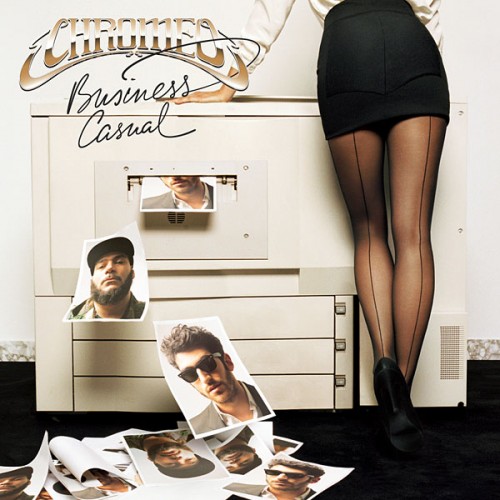
Chromeo: Business Casual


RIYL: Cameo, Zapp, Hall & Oates

If you’ve ever flipped the collar on an Izod shirt, owned a pair of Bugle Boy jeans, or purchased Hall & Oates’ Rock ‘n’ Soul, Part One on cassette or vinyl, Chromeo is your custom-built funky time machine – a synthy, vocoder-soaked trip to a parallel reality where musical history stopped in 1984. It was a pretty nifty trick the first couple of times around – and their last release, 2007’s Fancy Footwork, earned them a Daryl Hall endorsement and the ironic love of an audience too young to remember Lionel Richie’s Can’t Slow Down – but most tributes to dead genres wear thin pretty quickly (see: Darkness, The). So it would be a mistake to expect similar results from their next album, right?

Chromeo_01

Maybe not. Business Casual doesn’t really add anything new to the Chromeo formula, but it doesn’t really need to – whether or not you believe P-Thugg and Dave 1 are serious, they’re really good at recreating that early ’80s vibe, to the point where you might find yourself wondering if you requested “The Right Type” on your local Top 40 station 25 years ago. Everything, from the buzzy synths to the soulful-but-not-too-soulful vocals, sounds like it’s being beamed in from a giant boom box on the planet Atari – and more importantly, the songs are as clever as they are catchy. It’s ultimately a fairly empty exercise, and if you’re old enough to remember when this sort of stuff was originally being made, it probably seems more than a little ridiculous to be witnessing a revival of something that was regarded as inherently disposable even when it was popular. What’s sillier, though: the idea of a band intentionally mimicking yacht soul, or the fact that Lil Wayne’s “Lollipop” spent five weeks at Number One?

In the long run, it’ll be interesting to see where Chromeo takes this; even the artists they’re imitating moved on eventually, never to return. But hey, if they can deliver three albums that do this much with such a paper-thin gimmick, there might not be anything they can’t do. Break out the velour and pass the cocaine. (Atlantic 2010)

Chromeo MySpace page

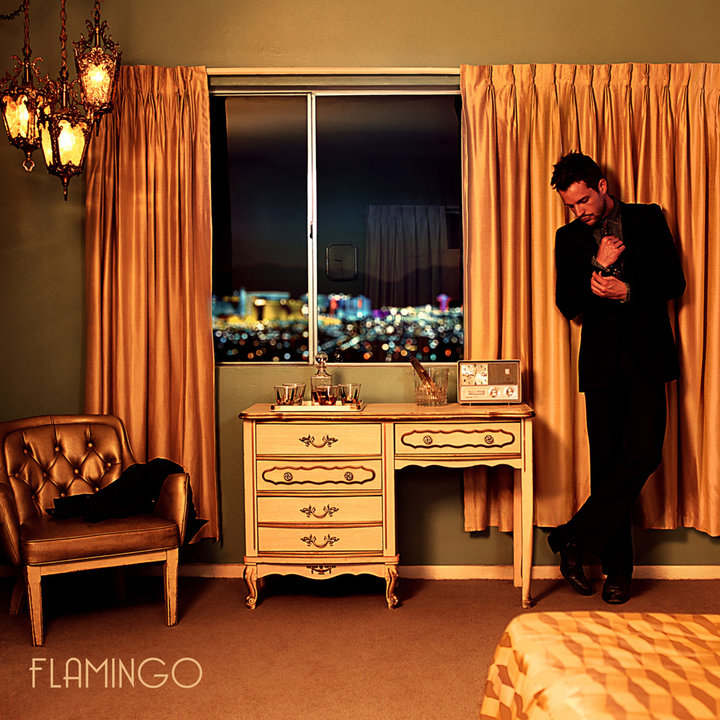
Brandon Flowers: Flamingo


RIYL: The Killers, Vigilantes of Love, U2

Brandon-Flowers-Flamingo-Official-Album-Cover[1] Flamingo, or chameleon? Listeners who mainly remember Brandon Flowers from early Killers hit singles like “Mr. Brightside” and “Somebody Told Me” may be in for a bit of a shock with his solo debut, which finds him toning down the gulpy vocal shtick that made him famous – and finally making the widescreen roots rock record he was aiming for with Sam’s Town.

Flowers has always struggled to get a grip on his outsize ambitions, and there are moments on Flamingo that don’t resonate as strongly as they’re supposed to. For the first time in his career, though, he doesn’t sound like he’s trying too hard; these songs come across more like personal statements than would-be epics. They’re still woefully derivative of Flowers’ influences – seeing Daniel Lanois’ name in the credits is going to trigger waves of eye-rolling from U2 fans who still think of Flowers as a Bono wannabe – but the difference here is that instead of trying to stand on the shoulders of giants to craft Grand Statements, he’s just using his musical DNA to write songs. It may read like a pretty fine distinction, but when it’s pouring out of the speakers, it’s huge – the difference between being handed a message and beaten over the head with it.

Of course, he’s still earnest to a fault. Flamingo might present a slightly subtler Brandon Flowers, but this is still music that leaves you feeling like you’re speeding across a lonely highway, or pensively looking out over a sepia desert mountaintop. It never hits as hard as it wants to, but so few mainstream rock records even bother asking you to really feel anything anymore – there’s something hopelessly noble about an album aimed so squarely at the heart. (Island 2010)

Brandon Flowers MySpace page

« Older posts Newer posts »